Skip to content
开放导航
effectively-teach-interventions-sepsis.jpg effectively-teach-interventions-sepsis.jpg

How to Effectively Teach Interventions for Sepsis

败血症,人体对感染的极端和威胁生命的反应,可能导致败血性冲击,多器官衰竭和死亡,即使未得到早期识别并迅速管理。

每年在全球范围内,败血症会影响超过3000万人,并导致多达600万人死亡。1风险最高的人包括:2
  • Adults older than 65 years of age
  • Children younger than 1 year of age
  • 免疫系统减弱的人
  • People with chronic medical conditions, such as diabetes, lung disease, cancer, and kidney disease
3million newborns and 1.2 million childrensuffer from sepsis globally each year.3

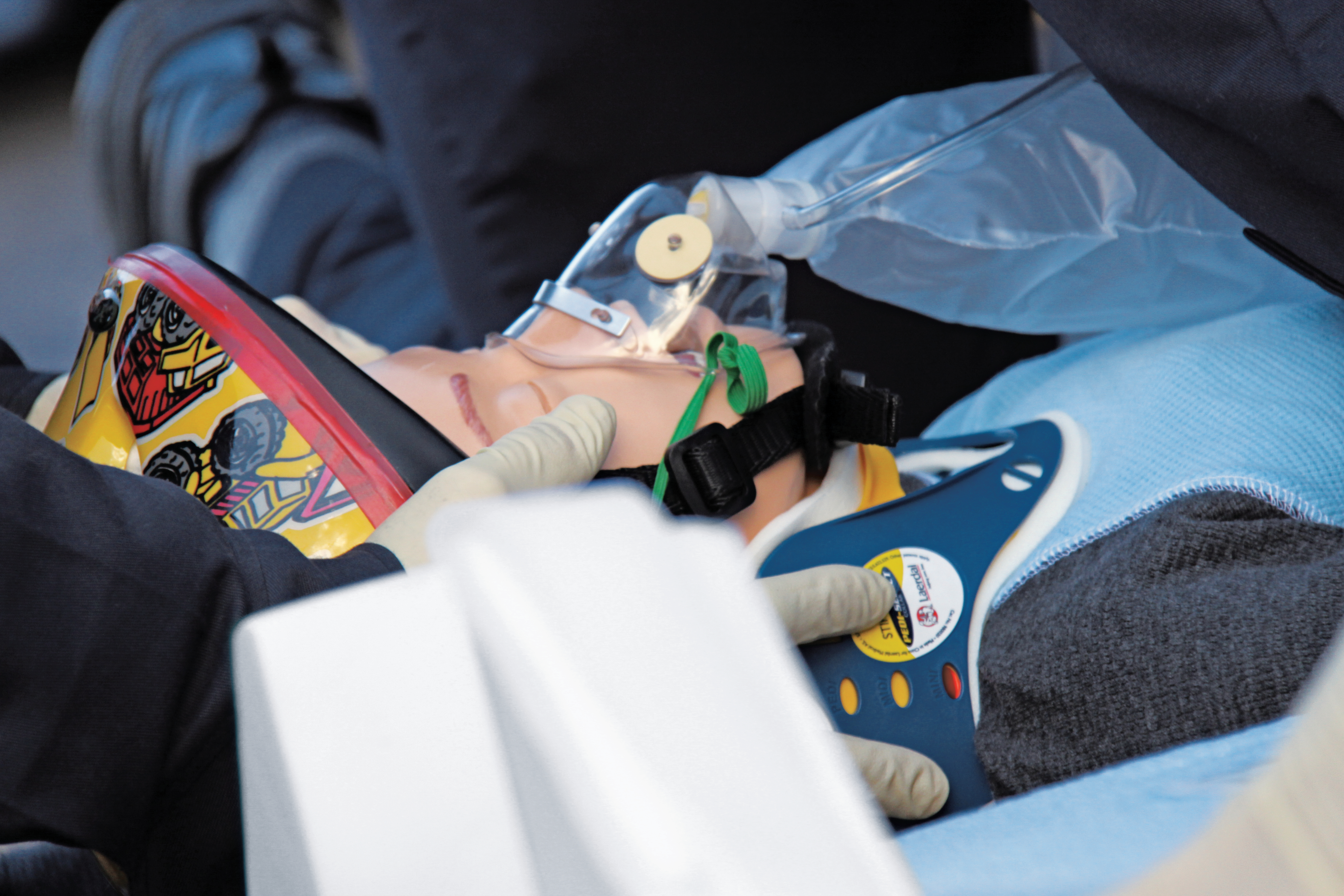
Experts recommend using simulation training to train for high-acuity patient situations as it can enhance a learner’s know-how, build confidence, and provide a creative learning environment to boost retention.4在培训医疗保健专业人员以检测和治疗涉嫌患有脓毒症的患者时,模拟可能会非常有效。

具体而言,模拟可以在以下领域帮助教育工作者:

败血症的早期检测和诊断

在旨在教授败血症干预措施的模拟中,提供商使用模拟器反复练习可以优化临床结果的诊断和治疗程序。学习者可以“排练”在现实世界中识别败血症的早期症状,尤其是那些可能不反映清晰,简单的败血症诊断的症状。

一些组织选择遵循三种不同败血症病例的进展:5

标准败血症

一种易于复杂的场景,很容易证明败血症的体征和症状。

将败血症/肺炎与流感区分开

教学习者保持高灵敏度for sepsis patients while limiting false positives.

Septic shock

提供了积极治疗和理解败血性冲击的细微差别的机会。

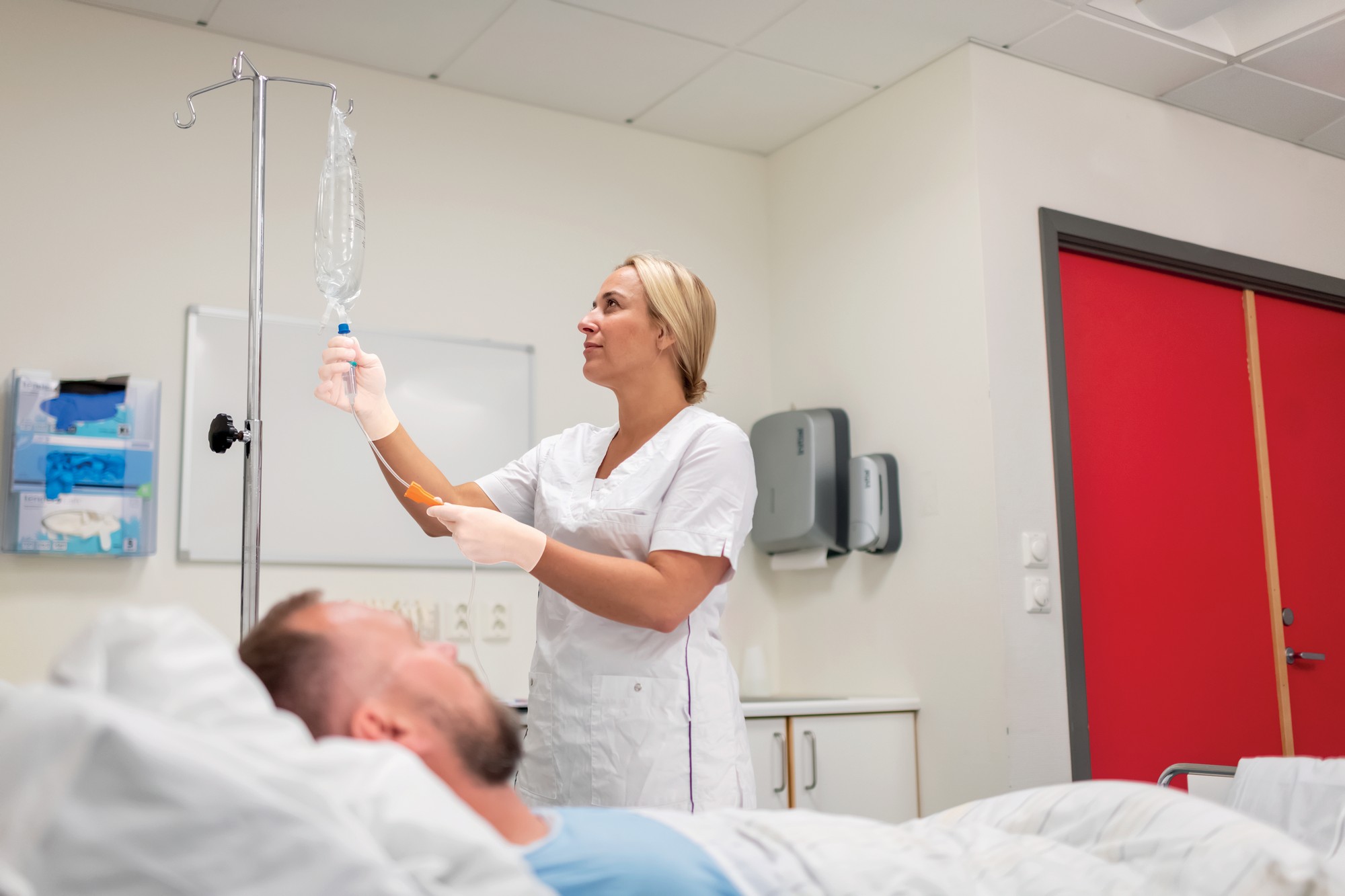
With simulation learning, healthcare professionals have the opportunity to refine their skills using simulation technology – without putting patients at risk.

贝克斯菲尔德心脏医院临床副总裁Laura Cunanan*

Cross-functional Team Training

Often when healthcare professionals are provided with training, it is conducted in silos and sorted by discipline. But,cross-functional team training can positively impact a team's interactions during a high-stress, time-sensitive emergency case like severe sepsis.

模拟可以帮助来自不同护理团队的成员,他们扮演不同角色,发展有效的沟通技巧。通过更好的沟通和预防性的团队行为,患者更有可能接受安全护理。

Cape地区医疗中心的Arthur Childs博士对医院的减少败血病或严重败血症患者的数量减少进行了模拟。6Prior to his team’s training with a simulator, 72% of the hospital's sepsis patients led to major complications or comorbidities.After simulation training, that percentage lowered to 63% - a result suggesting that patients with sepsis are now identified earlier.7

When doctors were interviewed [after the simulation experience], they admitted they hadn’t known everything and that it was stimulating to train as part of a multidisciplinary team.

亚瑟·柴尔德斯(Arthur Childs)

败血症Treatment Protocols

使用模拟的训练可以加强已知在治疗败血症患者方面最成功的方案。研究表明learners correctly diagnose sepsis and administer antibiotics correctly when they participate in a simulation.8

而且,学习者的表现得分继续提高,并有多个通过模拟练习的机会。9

In addition to supporting a learner’s training on protocols, simulation training offers exposure to how quickly a patient’s condition can deteriorate. Septicpatient mortality increases an estimated 9% per hour when antibiotics are delayed after hypotension.10

提供低风险的环境来观察和治疗时间敏感的患者可以教学习脓毒症患者病例所需的紧迫性。然后,这种理解可以直接转化为床边,改善了反应时间以及患者的结果。

References

  1. 世界卫生组织。(2018)。败血症。取自https://www.who.int/news-room/fact-sheets/detail/sepsis
  2. 疾病预防与控制中心。(2019)。什么是败血症?取自https://www.cdc.gov/sepsis/what-is-sepsis.html
  3. 世界卫生组织。(2018)。请参阅参考#1。
  4. Marin,K。(2014)。仿真作为败血症早期识别的工具。紧急护理杂志,第39(5)页,第1页。427. doi:https://doi.org/10.1016/j.jen.2013.03.021
  5. Dix, A. (2017). 3 scenarios to train for diagnosis, treatment of sepsis. EMS1.com. Retrieved from https://www.ems1.com/ems-products/capnography/articles/3-scenarios-to-train-for-diagnosis-treatment-of-sepsis-pYAoKGarKW6P3C09/
  6. Maguire,P。(2014年)。动手学习改善了败血症的结果。今天的住院医生。取自https://www.todayshospitalist.com/hands-on-learning-improves-sepsis-utcomes/
  7. 同上。
  8. Dugan, M.C., McCracken, C.E., & Hebbar, K.B. (2016). Does simulation improve recognition and management of pediatric septic shock, and if one simulation is good, is more simulation better? Pediatric Critical Care Medicine, 17(7), p. 605-614. DOI: 10.1097/PCC.0000000000000766
  9. 同上。
  10. Dix, A. (2017). See reference #5.

* Zimmerman,B。(2016)。有关败血症模拟训练的3件事。贝克尔的临床领导力和感染控制。取自https://www.beckershospitalreview.com/quality/3-things-to-know-sknow-about-sepsis-simulation-training.html

** Maguire, P. (2014). See reference #6.

Want more content like this?

注册Laerdal Me188体育直播比分dical电子邮件更新。您可以确定自己的兴趣并获得新的教育内容,更新,活动信息等。

Subscribe Now

Baidu